What Home Inspectors Notice Before You Even Shake Their Hand

Most homeowners preparing to sell focus on the obvious stuff. Fresh paint, cleaned carpets, maybe a new kitchen faucet. But experienced home inspectors? They've seen enough houses to know that the small stuff tells a bigger story. And few things tell that story quite like your electrical switch covers.
It sounds almost too simple to matter. But the condition of your switch plates — those flat little rectangles you've probably stopped seeing years ago — can actually influence how an inspector documents your home and how buyers interpret that report.
Let's break down what's really going on.
What Inspectors Are Actually Looking For
A licensed home inspector's job is to assess the overall condition and safety of a property. They're not just hunting for code violations or structural issues. They're building a picture of how well a home has been maintained over time.
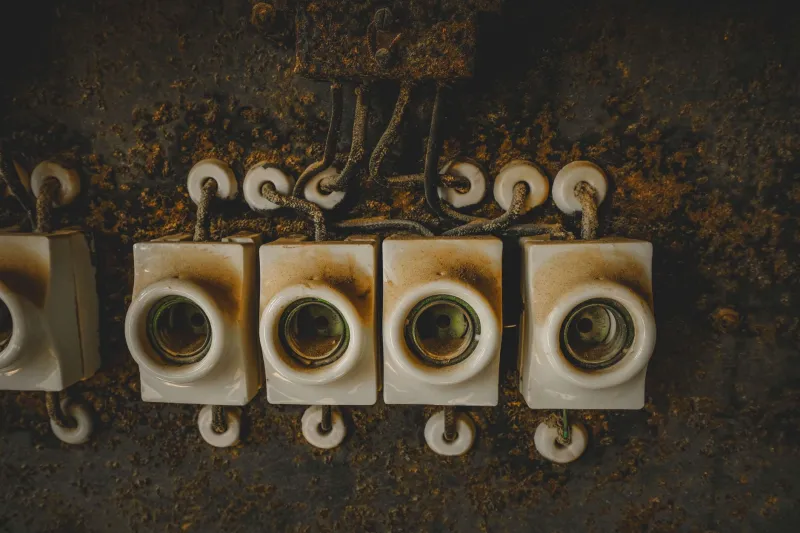
Switch covers fall into what the industry calls "deferred maintenance" — small repairs that homeowners put off, often indefinitely. When an inspector walks through a home and sees cracked faceplates, yellowed plastic, covers missing screws, or plates that are visibly scorched or warped, those details get noted. Not necessarily as safety hazards (though some can be), but as evidence that a homeowner may not have kept up with routine upkeep.
And here's the thing: buyers read those inspection reports carefully. A long list of deferred maintenance items — even minor ones — creates doubt. It makes people wonder what else might have been ignored.
The Safety Angle You Can't Ignore
Beyond aesthetics, some switch cover issues do cross into actual safety territory. A cracked or broken faceplate exposes the wiring connections behind it. That's a legitimate electrical hazard, and inspectors are required to flag it.
Missing switch covers — even on outlets in low-traffic areas like utility rooms or garages — are another common flag. They're the kind of thing that's easy to overlook when you live in a space every day, but they stand out immediately to a trained eye.
Scorch marks on a cover, no matter how faint, are a serious red flag. They can indicate a wiring issue, an overloaded circuit, or a past arcing event. Even if the underlying problem was fixed years ago, a discolored or melted cover left in place tells the inspector (and the buyer) that something happened there — and raises questions about what else might have been handled informally.
Replacing those covers before an inspection doesn't cover up a problem. It confirms the problem was addressed properly.
The Deferred Maintenance Trap
Here's where it gets interesting from a home sale strategy perspective. Real estate agents often talk about "buyer confidence" — the emotional and psychological state a buyer is in when they're deciding whether to move forward with a purchase.
A home inspection report full of small, easily fixable items can tank buyer confidence just as effectively as a report with one major issue. Why? Because it suggests the seller is the type of person who lets things slide. And if they let this slide, what about the stuff that wasn't visible?
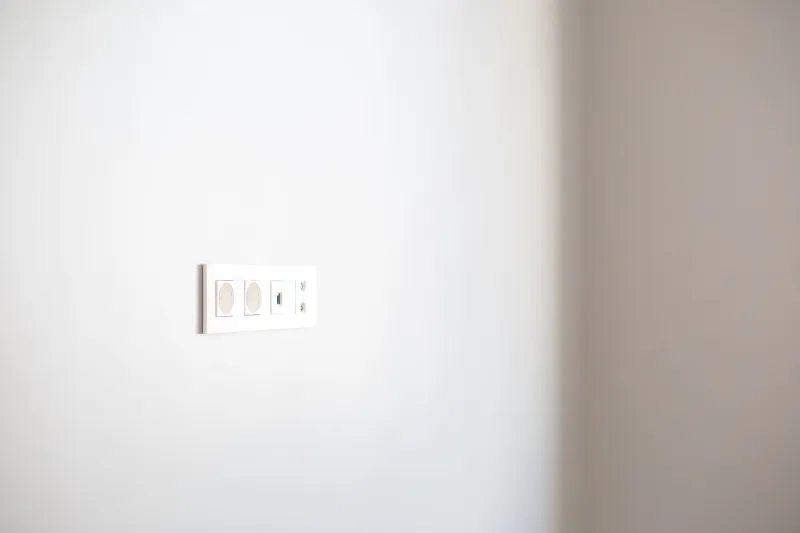
Switch covers are a perfect example of a high-visibility, low-cost fix that signals the opposite: attention to detail. A home where every switch plate is clean, properly aligned, and in good condition reads as a home that's been cared for. It's a subtle message, but it lands.
Think of it like this — a buyer touring your home is unconsciously building a trust profile of you as a seller. Every detail either adds to that trust or chips away at it.
What a Strategic Upgrade Actually Looks Like
You don't need to replace every switch cover in the house the week before your listing goes live (though honestly, it wouldn't hurt). The smarter move is to do a focused walk-through with fresh eyes — or better yet, ask a friend or neighbor to do it for you.
Look for:
- Cracked or chipped plates, especially in high-traffic areas like hallways, kitchens, and near entry doors
- Yellowed or discolored plastic that's aged past the point of looking intentional
- Missing screws or covers that are slightly off-center and visibly crooked
- Scorched or heat-damaged plates anywhere in the home
- Missing covers entirely, even in secondary spaces like laundry rooms or basements
- Mismatched styles or finishes across the same room or adjacent spaces
Once you've identified the problem areas, replacing them is genuinely one of the most cost-effective pre-sale improvements you can make. A quality switch cover typically costs a few dollars. Replacing a dozen throughout the house might run you $30–$60 total. The labor, if you're doing it yourself, is measured in minutes per plate.
For homes with updated fixtures — brushed nickel faucets, matte black hardware — mismatched switch covers in outdated almond or ivory plastic can undercut the whole look. Swapping to a matching finish is a fast, inexpensive way to make a space feel cohesive and intentional.
The Inspector's Perspective, Straight Up
Seasoned inspectors will tell you that they don't get fooled by cosmetic upgrades designed to hide real problems. A fresh coat of paint over water-damaged drywall doesn't pass inspection. But that's not what we're talking about here.
Replacing worn, damaged, or outdated switch covers isn't a trick. It's maintenance — the kind of maintenance that should have been done along the way. When it's done before an inspection, it genuinely reflects a home that's in good shape. The inspection report comes back cleaner. The buyer reads that report and feels better. The deal moves forward with less friction.
That's not fooling anyone. That's just doing the work.
One Last Thing Worth Knowing
If you're not selling but you're planning to refinance or get a home equity line of credit, appraisers operate with a similar mindset. Overall condition matters. A home that looks maintained — down to the small details — supports a stronger appraisal value.
Switch covers aren't going to make or break a six-figure appraisal on their own. But they're part of the overall picture an appraiser builds when they walk through your home. And in a market where every dollar of appraised value counts, the picture you present matters.
The good news? This is one of the cheapest, fastest parts of that picture to get right.