One Weekend, One Entryway, Zero Renovation: The Switch Cover Fix That Changes Everything
Here's a scenario that probably sounds familiar: you repaint the living room, upgrade the light fixture, maybe even swap out the hardware on your cabinets — and the space still feels off. You can't quite put your finger on it. You stand in the doorway squinting at the room like you're trying to spot the difference in a puzzle.
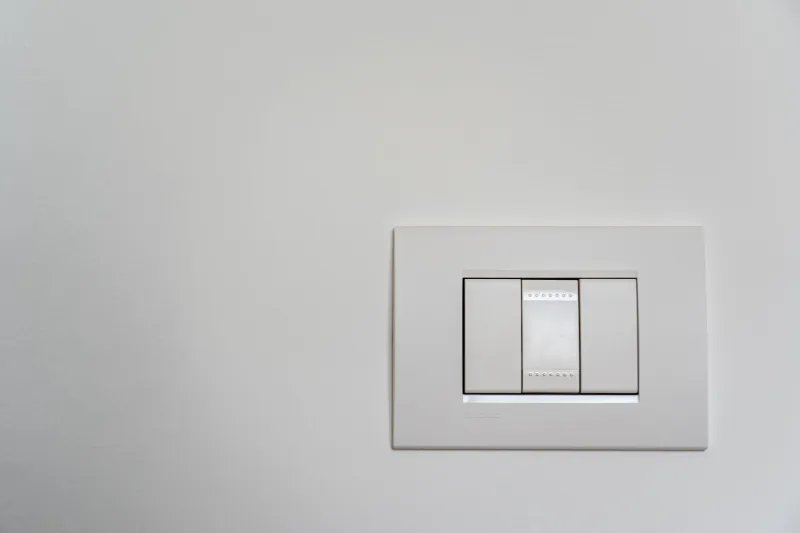
Nine times out of ten, the culprit is something you've completely stopped seeing: the switch plate.
Those yellowed, builder-grade covers that came with the house? They've been quietly undermining every design choice you've made. And the fix is genuinely, almost embarrassingly, fast.
Why the Entryway Is the Right Place to Start
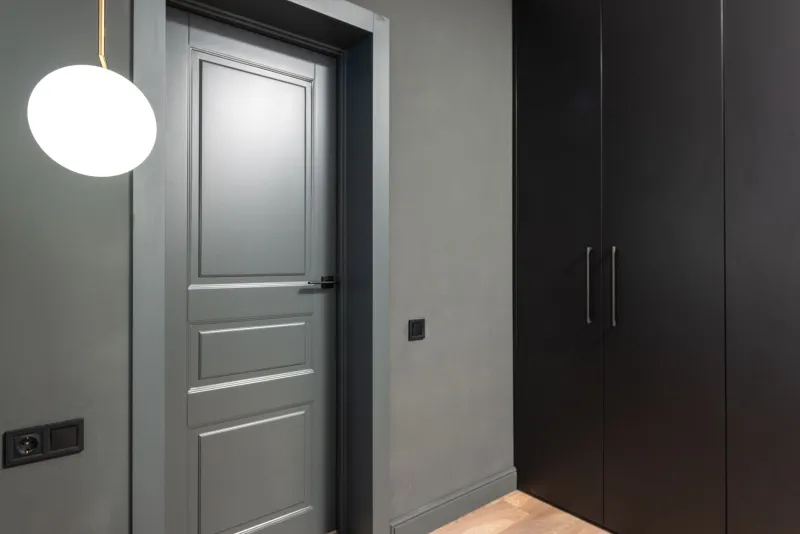
If you're going to tackle one zone first, make it the entryway. This is the space that greets every single person who walks through your door — including you, every day when you come home from work. First impressions aren't just for people; they're for rooms too.
The entryway is also typically small, which means the details carry disproportionate visual weight. A scuffed, off-white switch plate next to a freshly painted accent wall or a sleek new console table creates a jarring mismatch that your brain registers even if you can't articulate why.
The good news? Replacing a switch cover takes about ten minutes — less if you've done it before. A standard flathead screwdriver, two screws, and you're done.
Before and After: What a Cover Swap Actually Looks Like
Before: Jen and Marcus in Columbus, Ohio had a narrow entryway they'd done everything right with — warm greige paint, a shiplap accent, a vintage-style coat rack. But every time guests came over, something felt unfinished. The culprit turned out to be a single oversized plastic cover plate in a dingy almond color, sitting right at eye level next to the door.
After: They swapped it for a brushed brass toggle plate to match the coat rack hardware. Total cost: $14. Total time: eight minutes. Guests now consistently compliment the entryway as feeling "designer" and "put together."
That's not a fluke — that's how detail-level design actually works.
The Zones That Get the Biggest Return
Not every room rewards a switch cover upgrade equally. Here's where you'll see the most impact:
Entryways and Foyers
As covered above, these are ground zero for first impressions. Look for cover styles that echo other metallic or material finishes already in the space — door hardware, light fixtures, hooks, or picture frames. Brushed nickel, matte black, antique brass, and oil-rubbed bronze are all strong choices depending on your existing palette.
Hallways
Hallways are basically a gallery of small decisions, and switch plates line up along them like frames on a wall. Mismatched covers at different heights — especially in older homes where outlets and switches were added over time — create visual noise. Standardizing the cover style throughout a hallway pulls the whole corridor together without a single coat of paint.
Bathrooms
Bathrooms are small rooms where every surface is scrutinized. A sleek white Decora-style plate in a powder room with matte black fixtures looks sharp. That same plate in a bathroom with chrome hardware looks like an afterthought. Match your covers to your faucet finish and watch the whole room tighten up.
A Quick Checklist: Matching Cover Style to Space
Use this as a starting point when you're standing in the hardware aisle (or browsing online at midnight, which, same):
- Modern/minimalist home: Screwless covers in matte white or matte black. Clean lines, no visible hardware.
- Traditional or colonial home: Stamped metal plates in antique brass or oil-rubbed bronze. Look for decorative edge detail.
- Farmhouse or rustic style: Brushed nickel or aged iron finishes. Toggle switches over rocker switches for a more vintage feel.
- Mid-century modern: Warm brass or two-tone covers. Rocker-style plates work well here.
- Transitional (the most common American home style): Brushed nickel is your safe bet — it plays well with both warm and cool tones.
- Eclectic or maximalist: This is where you can have fun. Patterned ceramic covers, hammered metal, or bold color accents can become intentional statement pieces.
The Stuff People Always Forget
A few things that trip people up when they start this project:
Cover size matters. Standard covers fit most residential switches, but if you have older wiring or non-standard boxes, you may need an oversized plate to hide the gap around the edges. Measure before you buy.
Gang count. A "gang" is just how many switches or outlets are grouped together. A single gang covers one device; a double gang covers two side by side. Buy the right size or it won't line up.
Finish consistency. You don't have to match every single room to one finish, but within a zone — say, your entryway and the hallway leading off it — keep the covers consistent. Visual continuity is what makes a space feel intentional.
Screwless vs. standard. Screwless covers snap on over a mounting frame and give you a flat, seamless look. They're a little more expensive but look noticeably more polished. Worth it in high-visibility areas.
The Bigger Picture
There's a reason professional interior designers sweat the small stuff. It's not obsessiveness — it's an understanding that rooms are experienced as a whole, and every element either supports or undermines the overall effect. Switch covers are one of the last things homeowners think about and one of the first things a trained eye notices.
The entryway is your opening argument. Make it count.
And honestly? Once you swap the covers in the entryway and see how different it looks, you're going to walk through every other room in your house with fresh eyes. That's not a warning — that's just what happens. Consider yourself prepared.
The good news is that at ten minutes a swap, you've got time.