The $20 Detail That Could Add Thousands to Your Home's Sale Price
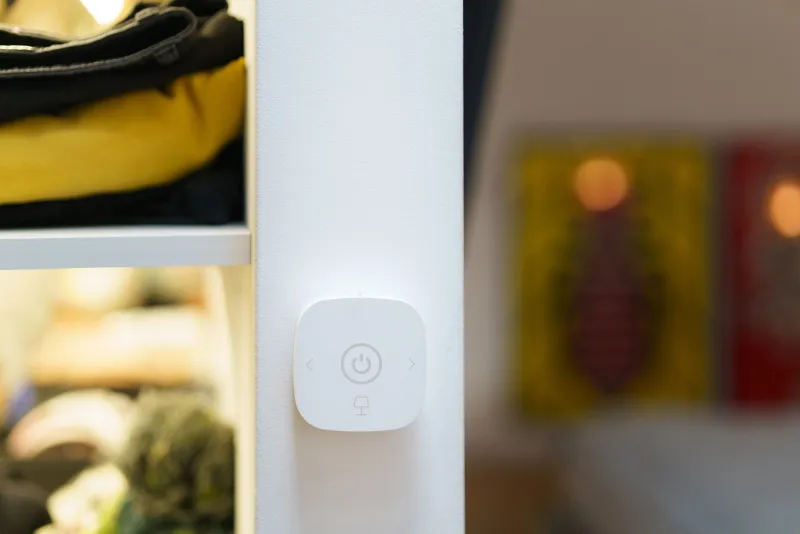
You've repainted the living room, deep-cleaned the grout, and staged the kitchen counter with a tasteful bowl of lemons. But there's a good chance you've walked right past one of the most buyer-psychology-relevant details in your entire home: the switch plates.
Yep. Those little rectangles flanking every doorway and hallway. Buyers notice them — even when they don't realize they're noticing them.
Why Buyers Notice the Small Stuff (Even Subconsciously)
Real estate agents will tell you that home showings are emotional experiences first, logical ones second. A buyer isn't running a spreadsheet in their head as they walk through your front door. They're forming a gut feeling — a sense of whether this place is cared for.
That gut feeling is built from hundreds of micro-impressions: the way the light hits the hardwood, whether the door hinges squeak, how fresh the air smells. Switch plates fit squarely into this category. A cracked, yellowed, or paint-splattered cover plate doesn't scream "deal-breaker" — but it does whisper "this house has been neglected."
According to staging professionals and buyer's agents across the country, it's the accumulation of these small signals that pushes a buyer toward making an offer — or quietly moving on to the next listing.
The ROI Math Is Hard to Argue With
Let's talk numbers for a second. A standard single-gang switch plate costs anywhere from $1.50 to $20 depending on finish and material. A full house — say, 30 switch and outlet covers — might run you $150 to $400 to replace completely if you're going with something mid-range and consistent.
Now compare that to what stale, mismatched, or damaged plates might be costing you. Staging consultants often cite the "10x rule": every dollar spent on strategic pre-sale improvements can return $10 or more in perceived value. Switch plates aren't going to single-handedly bump your asking price by $10,000, but they contribute to a cumulative impression that absolutely does.
More importantly, updated switch plates can prevent a buyer from mentally docking value from your home. When a buyer sees dingy details, they start doing mental math — estimating how much work the place needs. You want to stop that math before it starts.
What Real Estate Pros Actually Say
Agents who specialize in pre-listing staging are pretty consistent on this point: consistency and cleanliness in hardware details matter more than most sellers expect.
The common advice? Make sure every cover plate in your home matches — or at minimum, matches within each room. Nothing signals "piecemeal maintenance" like a hallway where one outlet has a white plastic cover, the next has an ivory one, and the light switch is still sporting a builder-grade beige from 1987.
Appraisers, meanwhile, are more clinical about it. They're evaluating overall condition, and while they won't line-item your switch plates, they're forming an overall impression of how well the home has been maintained. A house that looks consistently updated — right down to the small stuff — tends to appraise at the higher end of its comparable range.
Before and After: What a Switch Plate Upgrade Actually Looks Like
Imagine a mid-century ranch home going on the market in suburban Phoenix. The sellers have done the obvious stuff — new carpet, fresh exterior paint, updated kitchen faucet. But the switch plates are original: yellowed plastic, a few with small cracks, and a mix of single- and double-gang covers in slightly different shades of off-white.
Replacing all of them with clean, bright white Decora-style covers in a consistent finish takes about two hours and costs around $80. The result? Photos look sharper. The hallways feel newer. And during showings, buyers spend less time mentally cataloging "little things to fix" — which means they spend more mental energy imagining themselves living there.
That shift in mental energy is exactly what you want.
Choosing the Right Plates for Your Home's Style
Not every home should go the bright-white-plastic route. Part of making switch plates work for your sale is matching them to the home's overall aesthetic — which is also part of what makes them such a smart staging tool.
For traditional or craftsman-style homes: Brushed nickel or oil-rubbed bronze wall plates complement warm wood tones and classic trim work. They signal intentional design rather than builder-grade defaults.
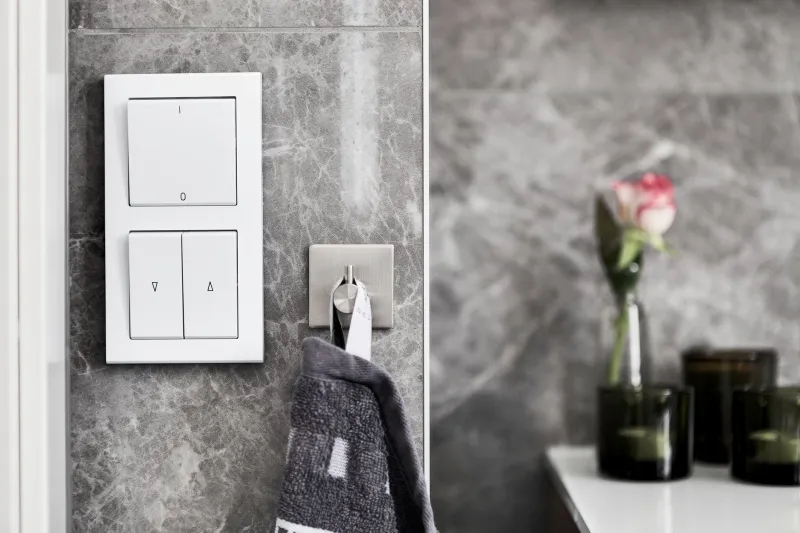
For modern or contemporary spaces: Sleek, screwless cover plates in matte white or matte black create a clean, high-end look that photographs beautifully and appeals to buyers shopping in that aesthetic range.
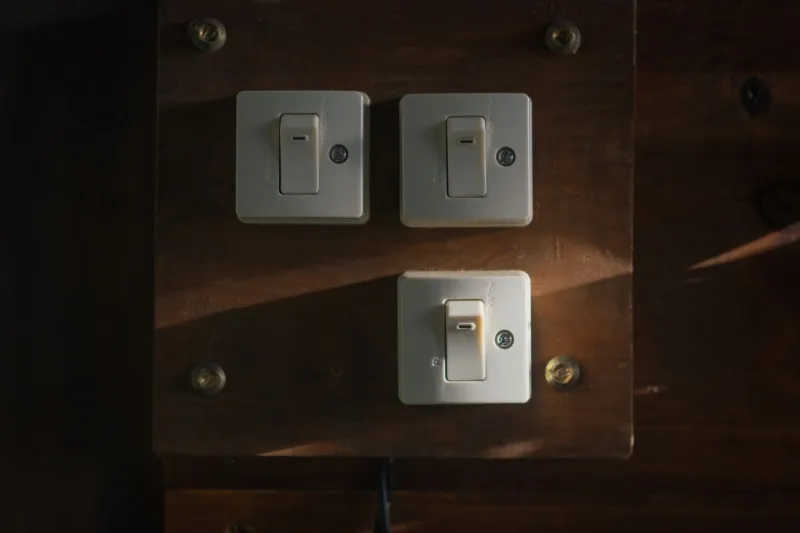
For older homes with character: Vintage-style toggle switch covers in antique brass or satin nickel can actually become a selling point — they lean into the home's personality rather than fighting it.
For rental-style or budget-conscious staging: Clean, matching white standard plates are always the right call. The goal is consistency and freshness, not luxury.
The Staging Checklist Nobody Talks About
Most pre-sale staging guides cover the obvious bases: declutter, depersonalize, improve curb appeal. But hardware details — switch plates, outlet covers, vent covers, cabinet pulls — are often left off the list entirely.
Here's a quick sweep you can do in an afternoon:
- Walk every room and note any cracked, discolored, or mismatched plates
- Check for any plates that have been painted over (a major buyer red flag)
- Identify rooms where the finish doesn't match the other hardware
- Replace anything that looks worn, yellowed, or inconsistent
- Make sure all plates are straight and screws are tightened flush
That last point — straight plates with flush screws — is one of the most overlooked finishing touches. A crooked switch plate is the kind of thing that makes buyers wonder what else is slightly off.
The Bottom Line
You don't have to spend a fortune to make your home feel move-in ready. But you do have to pay attention to the details that buyers are quietly registering on every showing. Switch plates are cheap, easy to replace, and surprisingly effective at shifting the overall impression your home makes.
When you're trying to get top dollar, every signal counts. Make sure yours are saying "this home has been loved" — right down to the last little rectangle on the wall.