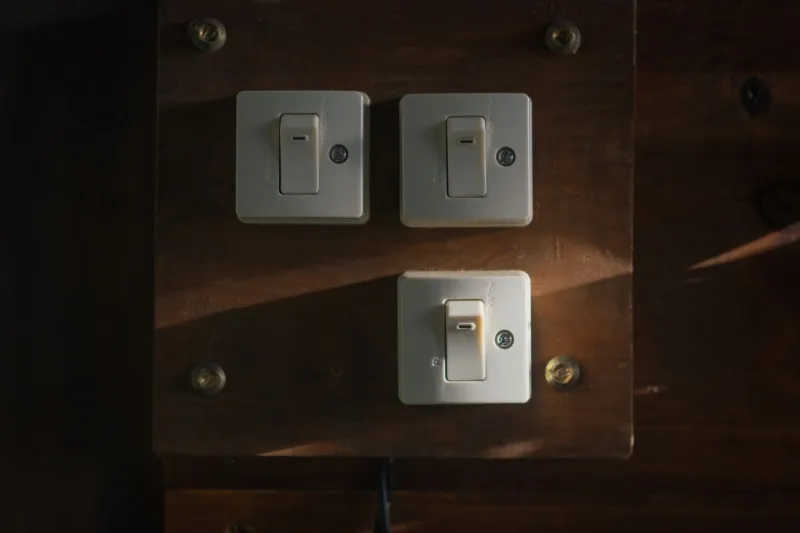
Switch Covers That Work for Everyone: A Practical Guide to Accessible Home Design
Here's something most homeowners never think about until they have to: flipping a light switch is genuinely hard for a lot of people. Whether it's a toddler who can't quite reach, an aging parent with arthritis, or a family member recovering from a surgery, those little plates on your wall can either help or get in the way. And since we're talking about something you interact with dozens of times a day, it's worth getting right.
The good news? The accessible switch cover market has quietly evolved into something pretty impressive. You don't have to choose between function and style anymore. There are options out there that look great in a modern farmhouse kitchen and still make life measurably easier for every person in your household.
Let's break it all down.
Why Accessibility Belongs in Every Home — Not Just Some
When people hear "accessible design," they often picture grab bars and ramps. But the Americans with Disabilities Act and universal design principles have pushed manufacturers to rethink everyday products, including electrical accessories. The result is a wave of switch covers and plate styles that work better for everyone, not just people with specific needs.
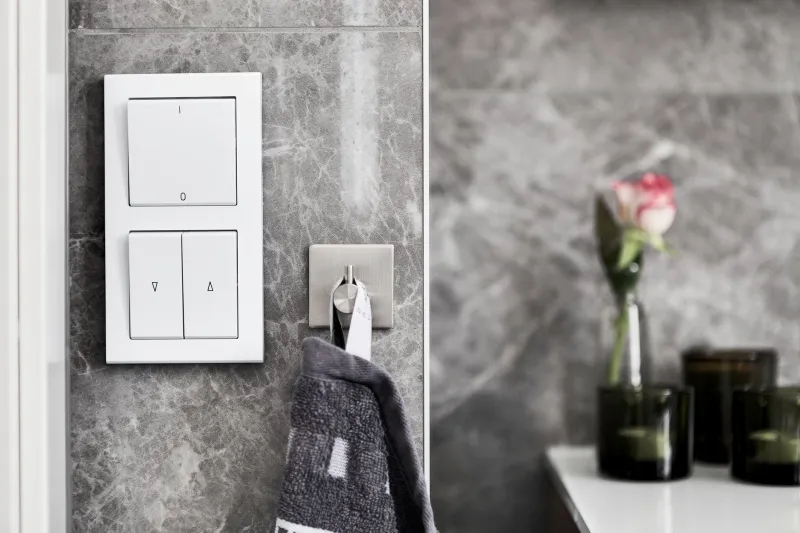
Think about it from a practical standpoint. Rocker-style switches — the wide, paddle-shaped ones — are dramatically easier to operate than the older toggle style. You don't need to pinch or grip anything. A closed fist, an elbow, even the back of your hand will do the job. If you're carrying groceries, managing a baby, or dealing with stiff fingers on a cold morning, that matters.
Universal design isn't charity. It's just smarter design.
Rocker Switches: The Unsung Hero of Functional Interiors
If you haven't already swapped out your old toggle switches for rocker-style plates, this might be the nudge you needed. Rocker switches have a much larger surface area, which translates directly to easier use. For children learning to operate lights independently, it's a confidence booster. For older adults with reduced grip strength or conditions like Parkinson's or rheumatoid arthritis, it's a genuine quality-of-life improvement.
From a design standpoint, rocker switches also tend to look cleaner and more contemporary. They're available in a wide range of finishes — brushed nickel, matte black, soft white, even satin brass — so you're not sacrificing aesthetics to get that functional upgrade. At One Switch Cover, we see rocker switch plates consistently trending upward, and it's not hard to understand why.
Pairing a rocker switch with an oversized or large-format cover plate adds another layer of accessibility. A bigger plate means a bigger visual target, which helps people with low vision locate the switch quickly. It also makes the whole installation look more intentional and substantial on the wall.
Tactile and High-Contrast Covers: Helping People Find the Switch
For households that include someone with low vision or cognitive differences, tactile switch covers can be a game-changer. These plates feature raised textures, distinct edges, or even braille-adjacent indicators that make the switch identifiable by touch alone.
High-contrast covers — think a bright white plate on a dark wall, or a bold-colored surround — serve a similar purpose visually. If someone is navigating a hallway at night or in a moment of disorientation, a high-contrast switch plate is much easier to locate than one that blends seamlessly into the wall. It's a small change with outsized impact.
This is also worth considering if you have young children who are learning the layout of your home. Bold, easy-to-spot covers near stairs, bathrooms, and bedrooms can help kids develop independence without needing to call for help every time the lights go out.
Smart Home Integrations: Removing the Switch from the Equation
Sometimes the most accessible option is one that doesn't require interacting with a switch at all. Smart home technology has made significant inroads into accessibility, and the switch plate is right at the center of that story.
Voice-activated lighting through platforms like Amazon Alexa or Google Home lets anyone in the household control lights without touching a wall. For someone using a wheelchair, someone with limited arm mobility, or an elderly parent who finds nighttime navigation challenging, voice control can remove a real daily frustration.
Smart dimmers and motion-activated covers are worth a look too. Motion-sensing switch plates can automatically illuminate a space when someone enters — perfect for bathrooms, hallways, and closets where fumbling for a switch in the dark is an accident waiting to happen. These products have come down significantly in price over the last few years, and many are straightforward DIY installs.
When you're shopping for smart-compatible covers, make sure you're choosing plates designed to fit your specific smart switch hardware. Sizing and gang configurations vary, and a cover that doesn't fit properly is both an eyesore and a safety concern.
Height and Placement: The Conversation Before the Cover
Before you pick your plates, it's worth having a conversation about switch placement itself. The ADA recommends electrical controls be mounted between 15 and 48 inches from the floor for wheelchair accessibility. Standard residential installs often land around 48 inches, which works fine for most people but can be challenging for wheelchair users or young children.
If you're doing a renovation or new build, this is the moment to get placement right. Lowering switches by even a few inches can make a meaningful difference without affecting how the room looks. And if you're not in a position to rewire, there are extension hardware solutions and remote-control plates that can help bridge the gap.
Building a Home That Grows With You
Here's the thing about accessibility in the home: most of us will need it eventually. Whether it's a temporary injury, aging in place, or accommodating a family member's changing needs, designing for accessibility now is an investment that pays off for years.
The switch plate is a small piece of that puzzle — but it's one of the most frequently touched surfaces in your entire home. Getting it right means choosing covers that are easy to operate, easy to locate, and easy to integrate with the technology you're already using.
At One Switch Cover, we believe the right cover isn't just about looks. It's about making sure every person who walks through your door — or rolls, or toddles, or shuffles — can interact with your home comfortably and confidently. That's what good design actually looks like.
Start with your switches. The rest follows.