The Grimy Truth About Switch Covers — And the Modern Fix You Didn't Know You Needed

Let's be honest. When's the last time you actually looked at your light switch covers?
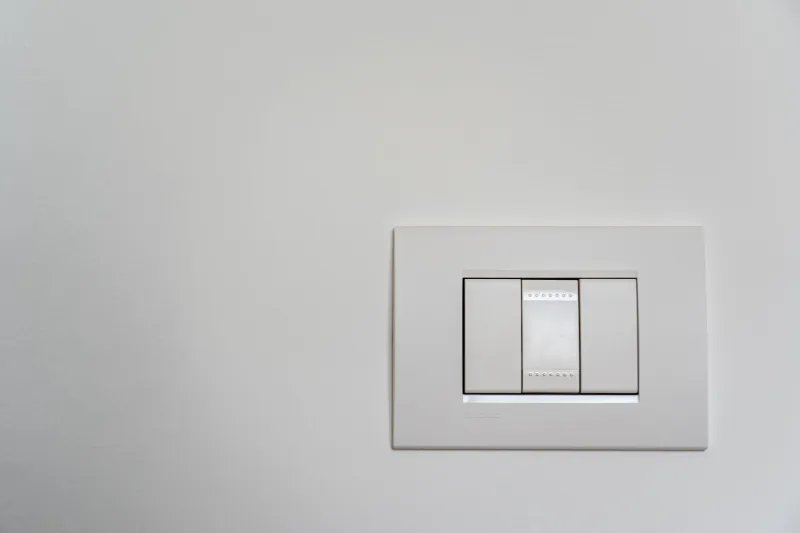
Not a quick glance as you flipped the lights on your way to bed — a real look. Because if your home is anything like most American households, what you'd find isn't pretty. A faint yellow tinge along the edges. A smudge from someone's post-BBQ fingers. A thin gray line of settled dust along the top ridge that no amount of casual wiping seems to clear. It's not glamorous, but it's real, and it's happening on walls in homes from Portland to Pensacola.
Here's the thing: it's not your fault your switch covers look this way. It's mostly a materials problem — and the good news is, it's also a materials solution.
Why Switch Covers Get So Gross So Fast
Standard builder-grade switch plates — the ones that ship with virtually every new construction home in the US — are almost always made from thermoplastic, specifically a material called urea formaldehyde or a basic ABS plastic. These materials are cheap, they're lightweight, and they get the job done functionally. But they have a critical flaw: they're magnets for everything you don't want on your walls.
Plastic switch covers have a slightly porous surface texture at the microscopic level. That texture traps airborne particles — cooking grease, pet dander, skin oils — and holds onto them. Over time, especially in kitchens, bathrooms, and high-traffic hallways, that invisible layer of grime becomes very visible indeed.
The yellowing is a separate (and honestly worse) problem. Most standard white plastic switch plates yellow through a process called UV degradation. Sunlight, even indirect sunlight filtering through windows, slowly oxidizes the polymers in the plastic. The result? That warm, dingy yellow that makes a freshly painted white wall look neglected by comparison. And once plastic yellows, there's no reversing it. You can't paint it back to white. You can't bleach it clean. The only fix is replacement.
The Fingerprint Factor
If you have kids, you already know this intimately. Light switches are among the most-touched surfaces in any home. The American Cleaning Institute estimates that a typical light switch gets contacted dozens of times per day — and every single one of those contacts deposits a thin layer of skin oil onto the cover plate.
Glossy plastic covers show every fingerprint in sharp relief. Matte plastic covers hide them slightly better but compensate by holding onto them longer. Neither option is ideal. This is why, in homes with young children especially, switch plates often look perpetually grimy even in otherwise spotless rooms.
The location matters, too. Kitchen switches sit adjacent to the stove and prep areas, catching cooking vapors and the occasional sauce-covered hand. Bathroom switch covers deal with humidity, hairspray residue, and toothpaste splash. Entryway plates get hit by everyone coming in from outside. Each zone in your home creates its own unique cocktail of grime, and your switch covers are absorbing all of it.
What Modern Materials Actually Do Differently
This is where things get genuinely interesting — and where upgrading your switch covers stops being just an aesthetic choice and starts being a practical one.
Metal switch covers — brushed nickel, satin brass, oil-rubbed bronze, stainless steel — don't have the same porous surface issues as plastic. The non-porous nature of metal means oils and dust sit on the surface rather than bonding into it, making cleaning dramatically easier. A quick wipe with a damp cloth is usually all it takes. And because metal doesn't undergo UV-driven polymer degradation, there's no yellowing. Ever. A brushed nickel plate looks the same in year ten as it did when you installed it.
Engineered polymer covers have also come a long way from the builder-grade stuff. High-quality thermoplastic options now use UV stabilizers baked into the material that significantly slow or prevent yellowing. Some manufacturers offer antimicrobial surface treatments that actively reduce bacterial buildup — a genuinely useful feature in bathrooms and kitchens.
Then there's the finish game. Matte and satin finishes on premium covers are specifically engineered to minimize fingerprint visibility. The surface texture diffuses light in a way that makes oils less apparent to the eye, without being so textured that it traps particles. It's a careful design balance, and you can feel the difference the moment you handle a quality cover versus a builder-grade one.
Practical Maintenance That Actually Works
Even premium switch covers benefit from a little routine attention. Here's what actually works, broken down by material:
For metal covers: A soft microfiber cloth dampened with warm water handles most everyday grime. For stubborn buildup, a tiny drop of dish soap works well. Avoid abrasive scrubbers on brushed finishes — they'll scratch the grain pattern and make the cover look dull. For oil-rubbed bronze or antique finishes, skip the soap and just use water; harsh cleaners can strip the patina.
For high-quality polymer covers: These are the most forgiving. A damp cloth or a gentle all-purpose spray cleaner works fine. If you're dealing with grease buildup near a kitchen switch, a diluted white vinegar solution cuts through it without damaging the surface.
For standard plastic covers: Be realistic about your expectations. You can slow the grime accumulation with regular wiping, but you can't reverse yellowing or deep-set discoloration. If your plates are already yellow, cleaning them won't fix the problem — replacement will.
One easy habit that makes a real difference: incorporate your switch plates into your regular surface-wiping routine. When you wipe down countertops or doorknobs, take an extra ten seconds to run the cloth over nearby switch plates. That frequency prevents the heavy buildup that turns a quick clean into a scrubbing project.
The Math on Upgrading
Here's a perspective shift worth considering. A set of quality metal switch covers for an average room — let's say a living room with two single-gang plates — runs somewhere between $15 and $40 depending on finish and brand. Compare that to the cumulative frustration of replacing yellowed plastic plates every few years, or the quiet visual drag those dingy covers put on an otherwise well-decorated room.
Premium switch covers don't just solve the grime problem. They're also more durable, more resistant to cracking and chipping, and — when you choose a finish that complements your room's hardware — they make the whole space look more intentional and pulled together. Interior designers call this the "hardware cohesion" effect: when your switch plates, door hardware, and light fixtures share a finish language, the room reads as considered and custom, not assembled from whatever was on the shelf at the hardware store.
One Small Swap, Genuinely Big Impact
It's easy to overlook switch covers because they're so small and so ubiquitous. They fade into the background — until they don't. Until they're yellow. Until they're grimy. Until a guest runs their finger across one and you die a little inside.
The right cover changes that equation completely. Better materials mean less maintenance. Better finishes mean better looks for longer. And the investment? It's genuinely one of the most affordable upgrades in the entire home improvement world.
At One Switch Cover, we think every switch deserves a cover that holds up as well as it looks. Because the details that seem small are often the ones that quietly define the whole room.