Renter's Secret Weapon: How One Tiny Swap Lets You Finally Make Your Apartment Feel Like Yours
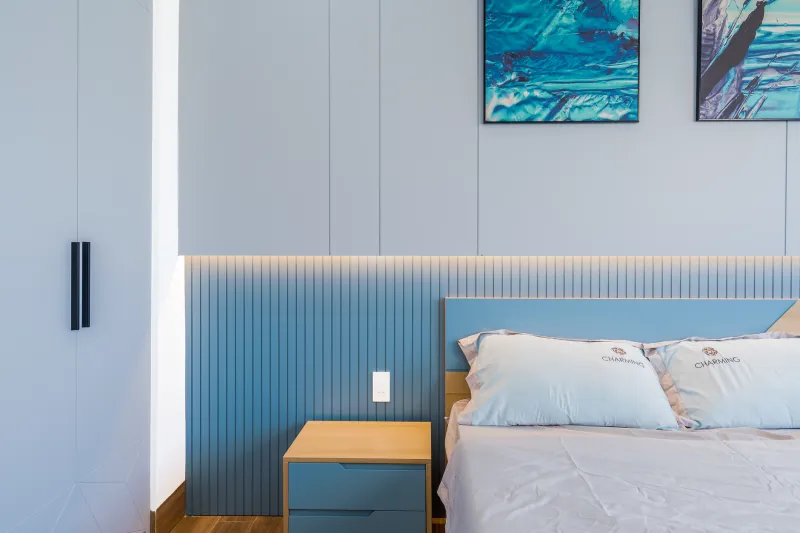
There's a specific kind of frustration that comes with renting. You sign the lease, haul your stuff up three flights of stairs, and then stand in the middle of your new place staring at beige walls, builder-grade everything, and a collection of scuffed white plastic switch plates that look like they survived the Clinton administration. You want to make it feel like home. But the lease says no paint, no holes, no permanent changes.
So you live with it. Or at least, that's what most renters do.
But here's a little secret that DIY-savvy apartment dwellers have been quietly passing around: switch covers are fair game. They're removable, they're reversible, and swapping them out takes about five minutes and a flathead screwdriver. It's one of the most underrated loopholes in the renter's toolkit—and once you try it, you'll wonder why you waited so long.
Why Switch Covers Are the Renter's Loophole Nobody Talks About
Most lease agreements restrict tenants from making structural or permanent changes to the unit. That typically means no painting, no wallpaper, no built-ins, no drilling into tile. What leases almost never specifically address? Decorative switch plate covers.
Swapping a switch cover is no different from changing a light bulb. You're not altering the wiring, not damaging the wall, and not leaving anything behind that can't be undone in seconds. As long as you keep the original plates (toss them in a zip-lock bag and store them in a closet), you can swap them back the day before your move-out inspection without breaking a sweat—or a lease clause.
That's the beauty of it. It's a fully reversible upgrade that delivers a surprisingly non-reversible impact on how a room feels.
The Psychology of Reclaiming a Space You Don't Own
Renting can feel disempowering in ways that are hard to articulate. You're paying for a space, living in it every single day, but you don't really get to own it in the emotional sense. Studies on environmental psychology consistently show that people perform better, feel calmer, and experience more satisfaction when they feel a sense of agency over their surroundings.
That's why even small acts of personalization matter so much. Hanging a poster, swapping a throw pillow, changing a switch plate—these aren't just aesthetic choices. They're acts of claiming space. They signal to your brain: this is mine, at least for now, and I've made it reflect who I am.
It sounds like a lot of weight to put on a $12 switch cover. But ask anyone who's done it, and they'll tell you the difference is real.
What to Look For When Shopping as a Renter
Not all switch covers are created equal when you're thinking about reversibility and ease of swap. Here's what to keep in mind:
Material matters. Plastic is the most common and least expensive option, but metal covers—brushed nickel, oil-rubbed bronze, satin brass—tend to look significantly more intentional and elevated. If you're trying to make a rental feel like a place you chose rather than just landed in, a metal plate punches way above its price point.
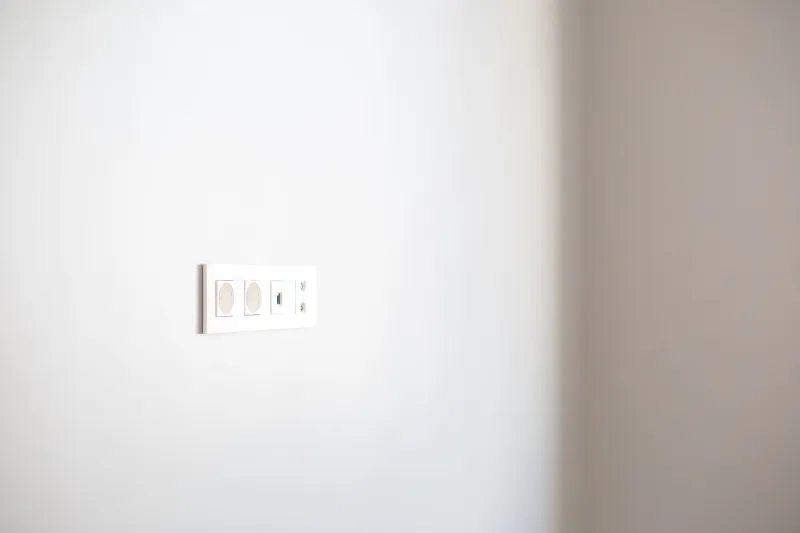
Match your configuration. Before you order anything, take stock of what you've got. Single toggle? Duplex outlet? Rocker switch? GFCI outlet? The US has a fairly standardized system (most residential switches use standard Decora or toggle configurations), but it's worth counting your plates and noting the gang sizes before you buy.
Stick with standard sizing. Oversized or jumbo switch plates are a great option if your walls have scuffs or old paint shadows around the existing plate. They cover more surface area and can hide a multitude of rental-wall sins without touching the wall itself.
Consider finish consistency. One of the fastest ways to make a room feel cohesive is to match your switch plate finish to other metal accents in the space—your cabinet pulls, faucet handles, or light fixtures. Even in a rental, this kind of intentional matching reads as designed rather than default.
Rooms Where the Impact Hits Hardest
You don't have to swap every plate in the apartment to feel the difference. Start strategic.
The entryway is the first thing you see when you walk in and the last thing you see when you leave. A single upgraded switch plate near the door sets the tone for the whole space and costs almost nothing.
The bathroom is another high-impact zone. Rentals notoriously have sad bathrooms. A brushed gold or matte black switch cover next to a GFCI outlet can make the whole room feel like it got a refresh—no grout scrubbing required.
The living room is where you spend most of your time, and where guests end up too. Swapping out a row of mismatched plastic plates for a unified set in a finish that complements your furniture is the kind of subtle change that people notice without knowing exactly why the room looks better.
Smart Switch Covers: The Renter-Friendly Tech Upgrade
If you want to go a step further, some smart home accessories are designed specifically with renters in mind. Paddle-style smart switch covers that sit over your existing switches (rather than replacing the switch itself) let you add voice control or app-based automation without touching the wiring at all. No electrician, no permit, no lease violation.
These are particularly popular in apartments where you can't install smart switches directly, but still want the convenience of controlling lights from your phone or setting schedules. Again—fully removable, fully reversible.
The Move-Out Checklist You'll Actually Be Glad You Made
Here's a simple system to make sure your switch cover swap never becomes a move-out headache:
- Photograph the originals before you remove them. A quick phone photo of each plate in place gives you a reference point.
- Label the originals with a small piece of painter's tape noting which room they came from.
- Store them together in a labeled bag or box—somewhere you won't accidentally toss during a cleaning frenzy.
- Reinstall before your walkthrough. It takes ten minutes, tops.
That's it. No drama, no security deposit deductions, no awkward conversation with your property manager.
Small Change, Big Payoff
Renting in the US has gotten expensive enough that most people aren't just passing through their apartments anymore—they're living in them for years. Making that space feel livable, personal, and genuinely yours isn't a luxury. It's a mental health move.
And if a set of brushed nickel switch covers is what it takes to stop feeling like a guest in your own home? That's $30 very well spent.