What Your Switch Covers Are Actually Up Against When You Have Pets
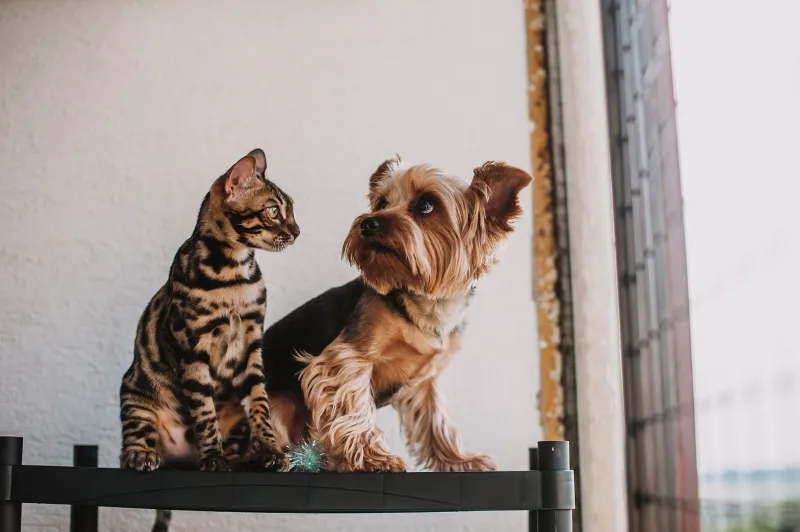
Let's skip the part where we pretend pet-themed switch covers with little bones and paw prints are the solution to having animals in your home. They're charming. They're not functional. What actually matters when you share your space with dogs, cats, rabbits, or any other creature with claws, wet noses, or a habit of launching themselves at walls — is what your switch covers are made of, how they're finished, and how they're attached.
This is a guide for pet households that care about durability first and aesthetics second. (Although, as you'll see, the most durable options tend to look pretty great anyway.)
Know Your Enemy: What Pets Actually Do to Switch Covers
Before getting into materials, it helps to be specific about the damage vectors. Pet owners deal with a pretty consistent set of problems:
Nose smears and slobber. Dogs in particular investigate the world at switch-cover height, and their wet noses leave oily smudges that bond with certain finishes and become genuinely difficult to remove without degrading the surface.
Claw contact. Cats jumping to or from furniture, dogs scratching at doors that are near switches, even smaller pets scrambling along walls — claws create micro-scratches on softer materials that accumulate into visible surface damage over time.
Repeated impact. This one surprises people: larger dogs wagging their tails, cats rubbing their faces on wall corners, dogs pressing against walls — these create repeated low-force impacts that can loosen covers from the wall or crack more brittle materials at stress points.
Cleaning frequency. Pet households clean surfaces more often than non-pet households. Whatever your covers are made of needs to survive not just pet contact, but the cleaning products and frequency that pet contact requires.
Material Breakdown: What Holds Up and What Doesn't
Standard Plastic (Thermoplastic): Skip It
The builder-grade plastic covers that come standard in most homes are fine for low-traffic areas. They are not fine for pet households. Standard thermoplastic is prone to yellowing over time (accelerated by cleaning product exposure), scratches relatively easily, and doesn't respond well to the oily residue that pet noses deposit on surfaces. Cleaning with anything stronger than mild soap can cause surface hazing, and repeated cleaning will eventually dull even a new cover.
If you have pets and you're still running builder-grade plastic, it's time to upgrade.
Polycarbonate Plastic: A Meaningful Step Up
Polycarbonate is a tougher, more impact-resistant plastic used in everything from safety goggles to bulletproof glass. In switch cover form, it offers noticeably better scratch resistance than standard thermoplastic and holds up better to repeated cleaning with household products. It doesn't yellow as readily, and it's more resistant to the micro-cracking that can occur around screw holes on cheaper materials when covers are removed and replaced frequently.
For pet households on a budget, polycarbonate covers in white or off-white are a legitimate upgrade that doesn't require a big investment.
Powder-Coated Metal: Strong Performer With One Caveat
Powder coating is a finishing process where dry powder is electrostatically applied to a metal surface and then cured under heat, creating a finish that's harder and more durable than conventional paint. Powder-coated metal switch covers are genuinely tough — resistant to chipping, scratching, and most household cleaners.
The caveat: the underlying metal matters. Steel powder-coated covers are durable but can rust if the coating is compromised and moisture gets in — relevant if you have a dog that drools heavily near wall surfaces or a bathroom situation. Aluminum powder-coated covers sidestep the rust concern and are lighter, though slightly less rigid.
For pet households, powder-coated covers in darker finishes are particularly practical because they hide the nose smears and scuffs that lighter surfaces telegraph immediately.
Brushed Metal (Stainless Steel and Brass): The Durability Leader
If longevity and cleanability are your top priorities, brushed metal — particularly brushed stainless steel — is the answer. The brushed texture is the key: it creates a directional surface pattern that hides minor scratches, fingerprints, and pet contact marks far better than polished or smooth finishes. A polished chrome cover will show every nose smear immediately. A brushed stainless cover absorbs that visual noise into its texture.
Brushed stainless is also impervious to rust, tolerates strong cleaning agents without surface degradation, and will outlast virtually every other option on this list. Brushed brass and brushed nickel offer similar durability benefits with warmer aesthetics, though they're slightly more susceptible to finish changes with aggressive cleaners — stick to pH-neutral products and they'll hold up beautifully.
For households with multiple large dogs or particularly destructive cats, brushed metal covers are genuinely the best long-term investment.
Laminate and Decorative Finishes: Proceed With Caution
Decorative laminate covers — wood-look, stone-look, fabric-texture finishes — can be beautiful, but they're not ideal for pet households unless the laminate is specifically rated for high-contact surfaces. The edge seams on laminated covers are vulnerability points where pet claws can catch and peel, and many decorative finishes don't respond well to the frequency of cleaning that pet homes require. If you love a decorative finish, look for options with sealed edges and clear topcoats rated for durability.
Mounting Style Matters More Than You'd Think
Here's something most pet owners don't consider: how a cover is attached to the wall affects how well it survives repeated animal contact.
Standard screw-mounted covers work fine, but the screw holes are a stress point. Covers that get bumped repeatedly — by a dog's tail, a cat's body, anything — can develop cracks radiating from the screw holes over time, especially in thinner or more brittle materials. If you're in a high-contact location, look for covers with reinforced screw areas or thicker construction around mounting points.
Snap-on covers that attach without exposed screws look cleaner and eliminate the screw-hole stress point, but they can be dislodged by impact — not ideal if your dog regularly bounces off that particular wall section.
For most pet households, the best approach is a standard screw-mount in a durable material (brushed metal or quality polycarbonate) with a slightly oversized plate that provides more surface area and better wall contact. More contact with the wall means less flex, less movement, and less stress on the mounting points over time.
The Cleaning Compatibility Checklist
Before you commit to any cover, ask yourself: what am I going to clean this with, and how often? Then verify that your chosen material and finish can handle it.
- Disinfecting wipes (alcohol-based): Safe for metal and polycarbonate; can dull or cloud standard plastic over time
- Diluted bleach solutions: Safe for stainless steel; can strip or discolor powder coatings and decorative finishes
- Enzyme cleaners (common in pet households): Generally safe for metal; test on plastic and decorative finishes first
- Dry microfiber wiping: Safe for everything; most effective on brushed surfaces for lifting pet oils without smearing
The bottom line is that pet households need switch covers chosen for function, not just form. The good news is that the most functional options — brushed metals, quality polycarbonates, powder-coated steel — also happen to look sharp in most home settings. You don't have to choose between durability and a space you're proud of. You just have to choose intentionally.